Yet, in this creation, a question looms,
Do they dream in circuits, in virtual rooms?
Or are they just echoes of human design,
A reflection of creators in a digital shrine?
In the dynamic world of fashion, staying ahead of trends and meeting consumer expectations is a perpetual challenge. In recent years, Artificial Intelligence (AI) has emerged as a game-changer, revolutionizing various facets of the fashion industry. This article will delve into the diverse applications of AI in fashion, showcasing how this transformative technology is reshaping the way we create, market, and experience style.
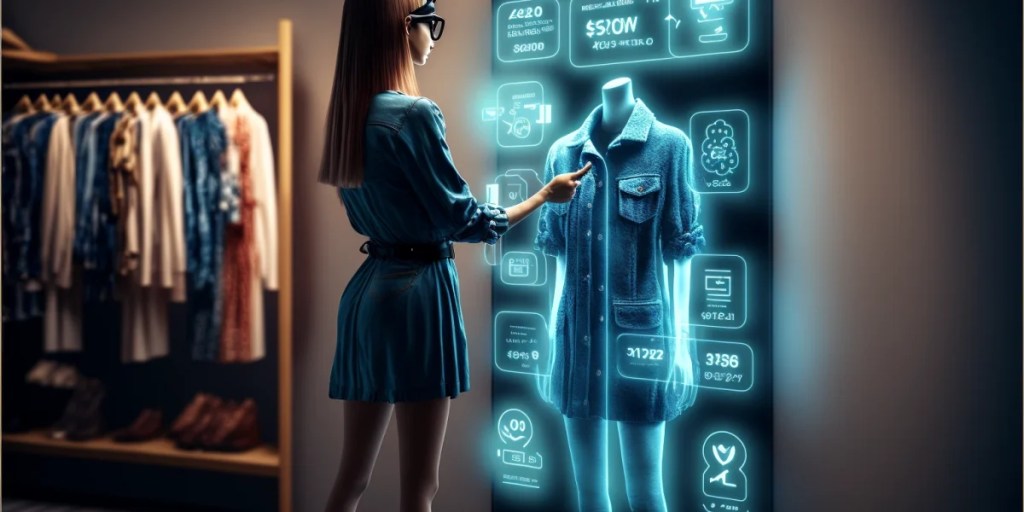
Apart from various applications of artificial intelligence, let’s discuss about the footprint of AI in VOGUE.
AI Applications in Fashion: From Design to Retail
1. Creative Design Assistance
AI applications in fashion is becoming an indispensable ally for fashion designers, aiding in the creative process. Designers can leverage AI algorithms to analyze vast datasets of fashion trends, historical styles, and cultural influences. This enables them to gain insights into emerging patterns, color palettes, and design elements, ultimately inspiring more innovative and trend-sensitive creations.
2. Fabric and Material Selection
Selecting the right fabric is a crucial aspect of fashion design. AI algorithms can assist designers in choosing materials based on various parameters such as durability, comfort, and sustainability. By analyzing historical data on fabric performance and customer feedback, AI contributes to more informed decisions in material selection, aligning with the growing demand for sustainable and eco-friendly fashion.
3. Virtual Fashion Try-Ons
AI-enabled virtual try-on solutions are transforming the online shopping experience. Consumers can now visualize how garments will look on them without physically trying them on. This not only reduces return rates but also enhances customer confidence in making online purchases. Virtual try-on technology utilizes AI and augmented reality to create realistic simulations, allowing users to see how different outfits fit their body shapes and styles.
4. Personalized Shopping Recommendations
E-commerce platforms are leveraging AI to provide personalized shopping recommendations, improving the overall customer experience. Machine learning algorithms analyze user preferences, purchase history, and browsing behavior to suggest products tailored to individual tastes. This level of personalization not only boosts customer satisfaction but also increases conversion rates for fashion retailers.
5. Supply Chain Optimization
AI plays a crucial role in optimizing the fashion supply chain by improving forecasting accuracy and streamlining logistics. Predictive analytics powered by AI can analyze historical sales data, market trends, and external factors to forecast demand accurately. This helps fashion brands optimize inventory levels, reduce excess stock, and minimize the environmental impact of overproduction.
6. AI in Fashion Retail Analytics
Fashion retailers are utilizing AI to gain deeper insights into customer behavior and preferences. Advanced analytics tools powered by AI can analyze data from various touchpoints, including in-store interactions, online purchases, and social media engagement. This information allows retailers to tailor their marketing strategies, optimize store layouts, and curate product assortments that resonate with their target audience.
7. Chatbots for Customer Engagement
AI-driven chatbots are enhancing customer engagement in the fashion industry. These virtual assistants can provide real-time support, answer customer queries, and assist with the shopping process. Chatbots equipped with natural language processing capabilities offer a seamless and personalized communication channel, contributing to improved customer satisfaction and brand loyalty.
Embracing the Future of Fashion with AI
The integration of AI in the fashion industry is not without its challenges, including ethical considerations, data privacy concerns, and the need for continued innovation. However, the benefits of leveraging AI applications in fashion are undeniable. From empowering designers with creative insights to enhancing the retail experience for consumers, AI is proving to be a transformative force in the fashion ecosystem.
In conclusion, as the fashion industry continues to evolve, AI is emerging as a key driver of innovation. The applications of AI in fashion are diverse and impactful, touching every aspect of the industry from design to retail. As fashion brands and designers increasingly embrace AI technologies, the future with the aid of an AI development services company, promises a more dynamic, sustainable, and personalized fashion landscape, where creativity is amplified, and the boundaries of style are continuously redefined.
 Future of AI
Leave a comment