In today’s dynamic business landscape, accurate demand forecasting is crucial for optimizing supply chain operations, reducing costs, and ensuring customer satisfaction. Traditional forecasting methods often fall short in handling the complexity of modern markets. However, with the advent of machine learning, businesses can leverage sophisticated algorithms to analyze vast datasets and make more accurate predictions. In this article, we’ll explore the step-by-step process of creating software for demand forecasting using machine learning, empowering businesses to stay ahead of the curve.
Understanding Demand Forecasting
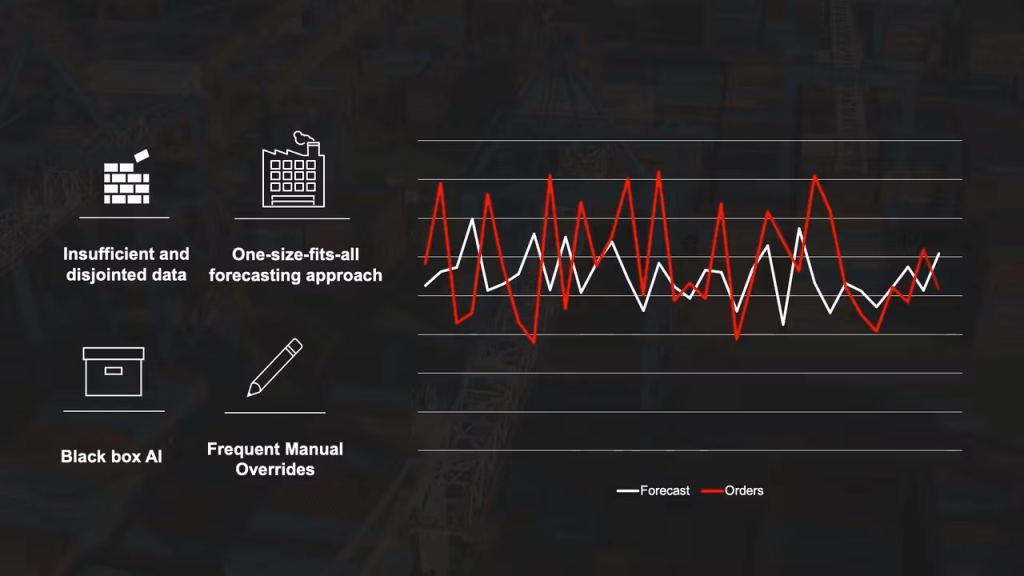
Before diving into the technicalities, it’s essential to grasp the concept of demand forecasting. Methods of demand forecasting involves predicting the future demand for a product or service based on historical data, market trends, and other relevant factors. Accurate forecasting enables businesses to optimize inventory levels, streamline production, and enhance overall efficiency.
Key Components of Demand Forecasting Software
- Data Collection and Preprocessing:
- Collecting Historical Data: Start by gathering historical sales data, including information on product sales, promotions, and external factors like economic conditions and seasonality.
- Cleaning and Preprocessing: Clean the data by handling missing values, outliers, and ensuring consistency. Preprocess the data to make it suitable for machine learning algorithms, which may involve normalization, encoding categorical variables, and feature engineering.
- Exploratory Data Analysis (EDA):
- Understand the Data: Perform exploratory data analysis to gain insights into the dataset. Visualize trends, correlations, and patterns to identify potential features that may impact demand.
- Feature Selection: Choose relevant features that contribute to demand patterns. This step is crucial for building a model that is both accurate and efficient.
- Choosing the Right Algorithm:
- Regression Models: Linear regression, decision trees, and random forests are commonly used for demand forecasting due to their interpretability and effectiveness.
- Time Series Models: ARIMA (AutoRegressive Integrated Moving Average) and SARIMA (Seasonal ARIMA) are suitable for capturing temporal patterns in demand data.
- Machine Learning Libraries: Use popular libraries like Scikit-learn, TensorFlow, or PyTorch to implement chosen algorithms efficiently.
- Model Training:
- Splitting the Data: Divide the dataset into training and testing sets to evaluate the model’s performance accurately.
- Training the Model: Feed the training data into the chosen algorithm and fine-tune parameters to optimize the model for accuracy.
- Model Evaluation and Validation:
- Testing Accuracy: Use the testing set to evaluate the model’s accuracy, employing metrics such as Mean Absolute Error (MAE), Mean Squared Error (MSE), or Root Mean Squared Error (RMSE).
- Cross-Validation: Implement cross-validation techniques to ensure the model’s robustness and generalizability.
- Hyperparameter Tuning:
- Optimize Parameters: Fine-tune hyperparameters to enhance the model’s performance. Techniques like grid search or random search can help identify the best combination of hyperparameters.
- Integration with Business Processes:
- Deploying the Model: Once the model is trained and validated, integrate it into the existing business processes and systems.
- Real-time Updates: Implement mechanisms for real-time updates to ensure the model adapts to changing market conditions.
- Monitoring and Maintenance:
- Continuous Monitoring: Regularly monitor the model’s performance against new data to identify potential degradation in forecasting accuracy.
- Iterative Improvement: Make necessary adjustments to the model based on new trends or changes in the business environment.
- Scalability and Adaptability:
- Scalable Architecture: Design the software architecture to handle increasing data volumes and user loads.
- Adaptability to Changes: Ensure the system can adapt to changes in product portfolios, market dynamics, and other variables influencing demand.
Challenges and Considerations
While implementing demand forecasting via trend analysis with machine learning, several challenges and considerations must be addressed:
- Data Quality:
- Inaccurate or incomplete data can significantly impact the model’s accuracy. Robust data cleaning and preprocessing are essential.
- Model Interpretability:
- Depending on the business context, stakeholders may require interpretable models to understand the factors influencing predictions.
- Overfitting:
- Guard against overfitting, where the model performs well on training data but fails to generalize to new data. Proper cross-validation and regularization techniques can help mitigate this risk.
- External Factors:
- Consider external factors such as economic conditions, geopolitical events, or natural disasters that may influence demand but are not captured in historical data.
- Model Maintenance:
- Continuous monitoring and maintenance are vital to ensure the model remains relevant and effective over time.
Conclusion
Building demand forecasting software via machine learning consulting company is a multifaceted process that requires a combination of domain knowledge, technical expertise, and a thorough understanding of the business context. By following the steps outlined in this guide, businesses can harness the power of machine learning to make accurate demand predictions, optimize their supply chains, and stay ahead in today’s competitive markets. As technology evolves, demand forecasting models will continue to improve, enabling businesses to navigate uncertainties and make informed decisions for sustainable growth.
 Future of AI
Leave a comment