Introduction
In the era of Industry 4.0, the convergence of Artificial Intelligence (AI) and predictive maintenance has become a cornerstone for organizations aiming to enhance operational efficiency and minimize downtime. This article explores the best practices for utilizing AI in predictive maintenance, highlighting real-life organizations that have pioneered these strategies. Additionally, we delve into the future of AI-powered predictive maintenance, envisioning the innovations that will further transform industrial landscapes.
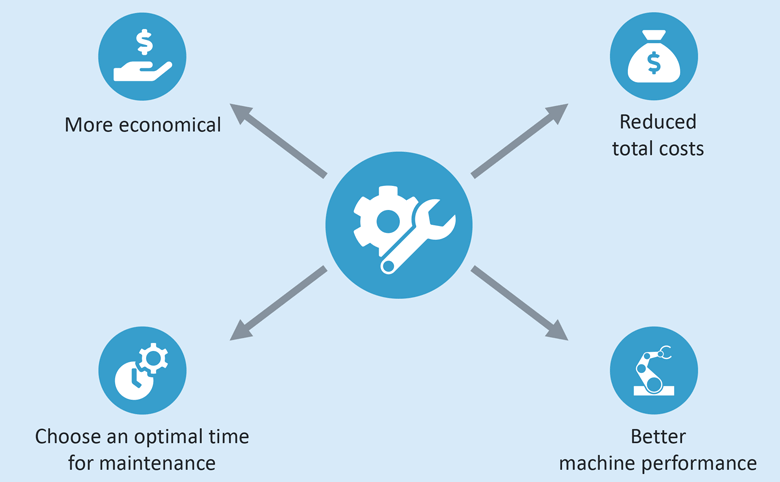
Best Practices for Implementing AI for Predictive Maintenance
1. Define Clear Objectives and Key Performance Indicators (KPIs)
Before embarking on an AI-powered predictive maintenance journey, organizations must define clear objectives. Whether the goal is to reduce downtime, optimize maintenance costs, or extend equipment lifespan, having well-defined objectives sets the foundation for a successful implementation. Additionally, identifying Key Performance Indicators (KPIs) ensures that organizations can measure the effectiveness of their predictive maintenance strategies.
2. Integrate a Comprehensive Data Management System
Effective predictive maintenance relies on the quality and integration of data from various sources. Implementing a robust data management system ensures the seamless integration of data from sensors, maintenance records, and other relevant sources. Clean, accurate, and timely data is essential for training AI algorithms and making informed predictions.
3. Invest in Advanced Machine Learning Algorithms
Selecting and implementing advanced machine learning algorithms tailored to the specific needs of predictive maintenance is crucial. Supervised learning for predictive modeling, unsupervised learning for anomaly detection, and reinforcement learning for optimization are examples of algorithms that can be employed. Investing in the right algorithms enhances the accuracy and reliability of predictions.
4. Utilize Internet of Things (IoT) Devices for Real-time Data
The integration of IoT devices is a game-changer in predictive maintenance. Sensors and devices embedded in equipment provide real-time data, enabling AI systems to monitor conditions continuously. This real-time data stream enhances the precision of predictions and facilitates immediate responses to potential issues.
5. Implement a Proactive Maintenance Culture
AI-based predictive maintenance thrives in a culture that emphasizes proactive interventions. Organizations should shift from reactive maintenance practices to proactive strategies guided by AI insights. This involves scheduling maintenance activities based on predictions, even before failures occur, thereby minimizing downtime and optimizing resource utilization.
6. Prioritize Cybersecurity and Data Privacy
As AI systems become more interconnected, prioritizing cybersecurity and data privacy is non-negotiable. Protecting sensitive data from unauthorized access and ensuring compliance with data protection regulations are critical considerations in the implementation of AI for predictive maintenance.
7. Facilitate Continuous Monitoring and Adaptive Learning
Predictive maintenance is not a one-time implementation; it’s an ongoing process. Organizations should facilitate continuous monitoring of equipment conditions and maintenance outcomes. This allows AI algorithms to adapt and learn from new data, continuously improving their predictive capabilities.
8. Provide Training and Skill Development for Personnel
Equipping personnel with the necessary skills to understand, interpret, and act upon AI insights is essential. Training programs should be implemented to ensure that maintenance teams can effectively collaborate with AI systems, enhancing the overall success of predictive maintenance strategies.
Real-life Organizations Leading the Way in AI-powered Predictive Maintenance
1. Siemens
Siemens, a global leader in industrial manufacturing, has been at the forefront of AI-powered predictive maintenance. The company utilizes machine learning algorithms integrated with IoT sensors to predict potential failures in turbines and other industrial equipment. By optimizing maintenance schedules and minimizing unplanned downtime, Siemens has achieved significant operational efficiency.
2. General Electric (GE)
GE Aviation employs AI for predictive maintenance in its aircraft engines. By analyzing data from sensors and historical records, GE can predict potential issues, schedule maintenance during layovers, and ensure the reliability and safety of its aviation systems. This proactive approach has proven crucial in the aviation industry, where safety and efficiency are paramount.
3. Schneider Electric
Schneider Electric, a multinational corporation specializing in energy management and automation solutions, leverages AI for predictive maintenance in its industrial equipment. Real-time data from sensors is continuously monitored, and AI systems trigger automated responses when deviations from normal conditions are detected. This proactive approach ensures optimal equipment health and minimizes disruptions in industrial processes.
4. Rolls-Royce
Rolls-Royce, renowned for its aircraft engines and power systems, is a trailblazer in AI-powered predictive maintenance. By integrating machine learning algorithms with data from sensors embedded in engines, Rolls-Royce can predict when maintenance is required, preventing unplanned downtime and optimizing the performance and reliability of its engines.
The Future of AI-powered Predictive Maintenance
1. Integration of Explainable AI
The development of Explainable AI (XAI) is gaining traction. As AI systems become more complex, understanding the decision-making processes of these models becomes crucial. The future of AI-powered predictive maintenance involves integrating explainable AI to make AI insights more transparent and interpretable for human operators.
2. Advancements in Quantum Computing
The potential integration of quantum computing in predictive maintenance holds immense promise. Quantum computing’s ability to process vast datasets at unprecedented speeds could lead to even more accurate predictions and faster analysis. This innovation may revolutionize the capabilities of AI-driven maintenance strategies.
3. Rise of Edge AI
Edge AI, involving the processing of data closer to the source rather than relying on centralized servers, is expected to become more prevalent. This approach reduces latency and allows for real-time analysis, a critical factor in predictive maintenance scenarios where immediate responses are required. Edge AI is anticipated to play a significant role in enhancing the agility and responsiveness of predictive maintenance systems.
Conclusion
AI-powered predictive maintenance is transforming how industries manage their assets, paving the way for proactive and data-driven strategies. By adopting best practices such as defining clear objectives, integrating comprehensive data management systems, and fostering a proactive maintenance culture, organizations can unlock the full potential of AI in predictive maintenance. Real-life examples from leading organizations like Siemens, General Electric, Schneider Electric, and Rolls-Royce showcase the tangible benefits of implementing AI-powered solutions.
As we look to the future, the integration of Explainable AI, advancements in quantum computing, and the rise of Edge AI will further redefine the landscape of predictive maintenance. These innovations promise not only more accurate predictions but also greater transparency in understanding AI insights. The synergy between AI and predictive maintenance is poised to propel industries into a new era of operational excellence, where downtime is minimized, resources are optimized, and the reliability of assets reaches unprecedented levels. As organizations continue to embrace and evolve with these technological advancements, the transformative impact of AI on predictive maintenance will only continue to grow.
 Future of AI
Leave a comment