Introduction
Efficient production planning and scheduling are the cornerstones of a successful manufacturing operation. However, these stages are not without their challenges. With the integration of artificial intelligence (AI), a revolutionary transformation has taken place in addressing and mitigating these challenges.
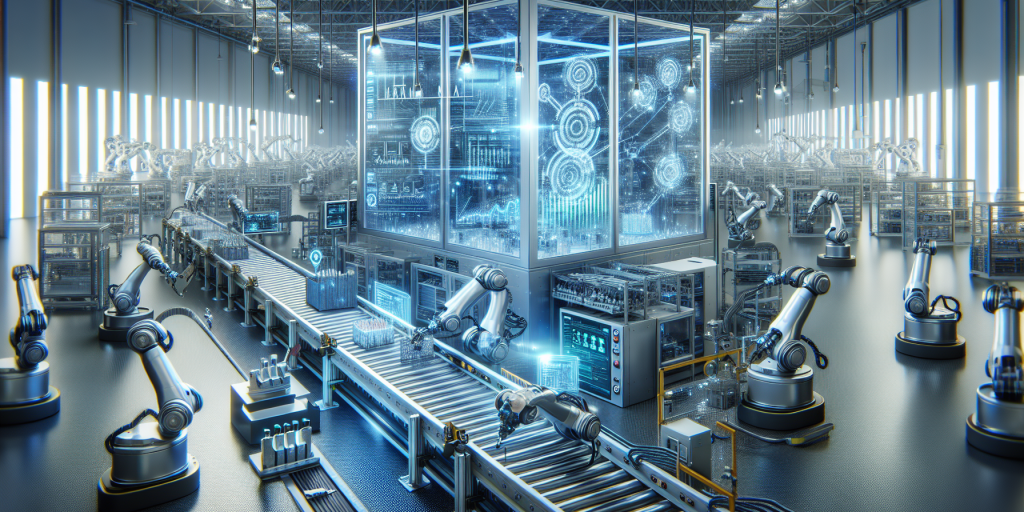
This article delves into the specific challenges associated with different stages of AI powered production planning and scheduling and explores how AI technologies play a crucial role in overcoming them.
1. Routing
1.1 The Challenge
Routing involves determining the most efficient path for materials and products through the production process. The challenge lies in adapting to dynamic changes in production environments. Traditional routing methods may result in suboptimal paths, leading to increased lead times and decreased overall efficiency.
1.2 How AI Addresses the Challenge
AI-driven routing solutions utilize advanced algorithms that dynamically adapt to changes in production conditions. Machine learning algorithms analyze historical routing data, real-time production data, and external factors to identify the most efficient routes. This adaptability ensures that routing decisions are optimized for current conditions, reducing lead times and improving overall production efficiency.
2. Scheduling
2.1 The Challenge
Scheduling involves the detailed planning of production processes, allocating resources, and determining timelines for specific tasks. Challenges arise due to the complexity of coordinating multiple tasks, resource constraints, and the need for real-time adjustments to unexpected disruptions.
2.2 How AI Addresses the Challenge
AI optimizes scheduling through the use of advanced algorithms that consider multiple variables simultaneously. By analyzing historical data, resource availability, and real-time production conditions, AI ensures that schedules are optimized for efficiency. The adaptability of AI allows for quick adjustments in response to changes, minimizing downtime and maximizing resource utilization.
3. Loading
3.1 The Challenge
Loading refers to the allocation of resources, such as machines and personnel, to specific tasks within the production process. The challenge lies in balancing the load across various resources to prevent bottlenecks and ensure optimal utilization.
3.2 How AI Addresses the Challenge
AI in production planning addresses loading challenges by employing optimization algorithms. These algorithms analyze resource capacities, task requirements, and real-time data to allocate resources efficiently. This ensures a balanced load distribution, reducing the risk of bottlenecks and optimizing overall production efficiency.
4. Dispatching
4.1 The Challenge
Dispatching involves assigning tasks to specific resources based on the schedule and load. Challenges arise in coordinating dispatching activities in real-time, ensuring that tasks are assigned to the right resources at the right time.
4.2 How AI Addresses the Challenge
AI enhances dispatching by providing real-time insights and adaptive decision-making capabilities. Machine learning algorithms analyze real-time data, resource availability, and task requirements to optimize dispatching decisions. This results in more efficient task assignments, reduced idle time, and improved overall production flow.
5. Monitoring and Control
5.1 The Challenge
Monitoring and control involve overseeing the production processes to ensure they align with the planned schedules. Challenges include real-time visibility, identifying deviations from the plan, and taking corrective actions promptly.
5.2 How AI Addresses the Challenge
AI plays a pivotal role in monitoring and control by providing real-time data analytics and predictive capabilities. Machine learning algorithms analyze production data, identify deviations, and predict potential issues before they occur. This proactive approach allows for timely interventions, minimizing disruptions, and ensuring that production stays on course.
6. Feedback and Continuous Improvement
6.1 The Challenge
Feedback loops are crucial for continuous improvement in production planning. Gathering relevant data, analyzing performance, and implementing improvements can be challenging without a systematic and data-driven approach.
6.2 How AI Addresses the Challenge
AI facilitates continuous improvement by automating the feedback process and providing actionable insights. Machine learning algorithms analyze production data, identify areas for improvement, and suggest optimization strategies. This data-driven feedback loop enables a more agile and responsive approach to refining production processes continuously.
Conclusion
In conclusion, the challenges encountered in different stages of production planning and scheduling are complex and multifaceted. However, the integration of AI technologies offers innovative solutions to address these challenges effectively. Whether it’s optimizing routing, refining scheduling processes, balancing resource loading, streamlining dispatching activities, enhancing monitoring and control, or establishing feedback loops for continuous improvement, AI plays a pivotal role. The synergy between AI and production planning is reshaping the manufacturing landscape, driving efficiency, minimizing disruptions, and fostering a culture of continuous improvement. As industries increasingly recognize the transformative power of AI in production planning, the future promises a more adaptive, efficient, and responsive manufacturing ecosystem.
 Future of AI
Leave a comment