Introduction
In the ever-evolving landscape of business operations, the integration of cutting-edge technologies has become imperative for staying competitive. One such transformative technology is Enterprise Artificial Intelligence (AI), which holds the potential to revolutionize and optimize workflows across various industries.
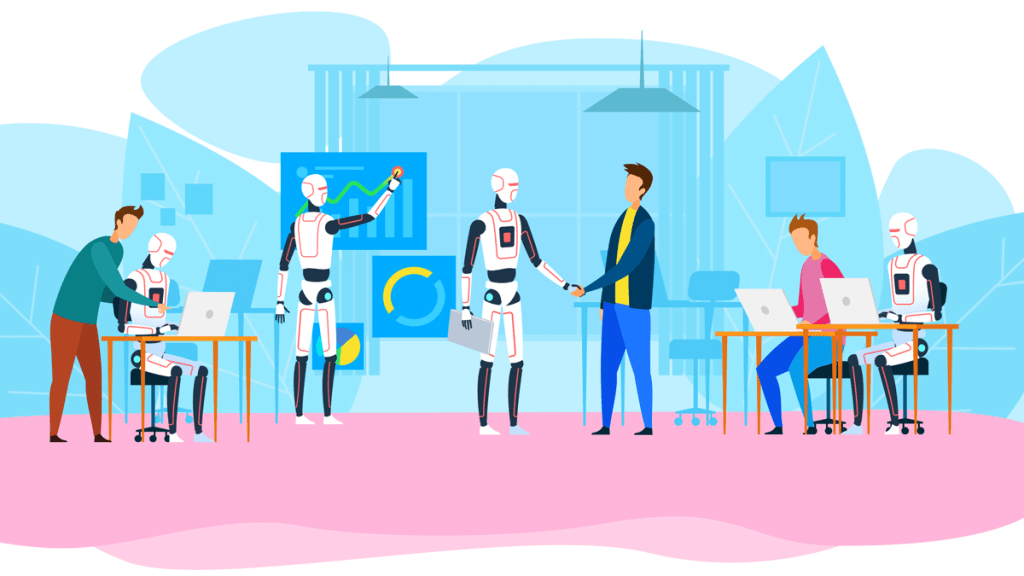
This article delves into the ways Enterprise AI solution can enhance efficiency, streamline processes, and ultimately lead to better business outcomes.
I. Understanding Enterprise AI
Before delving into its applications, it’s crucial to comprehend what Enterprise AI is and how it differs from traditional AI. Enterprise AI refers to the deployment of artificial intelligence technologies specifically tailored for business environments. Unlike consumer-focused AI applications, Enterprise AI is designed to address complex organizational challenges, improve decision-making, and optimize workflows.
II. Enhancing Data-driven Decision Making
One of the primary contributions of Enterprise AI to workflow optimization lies in its ability to process vast amounts of data rapidly and accurately. By leveraging advanced algorithms and machine learning models, Enterprise AI solutions can analyze historical and real-time data to extract valuable insights. This enables businesses to make informed decisions based on data-driven evidence rather than relying on intuition.
A. Predictive Analytics
Predictive analytics, powered by Enterprise AI, allows organizations to forecast future trends and outcomes. This capability is invaluable for resource planning, risk management, and strategic decision-making. For instance, in supply chain management, predictive analytics can help forecast demand, optimize inventory levels, and minimize stockouts or overstock situations.
B. Prescriptive Analytics
Enterprise AI also offers prescriptive analytics, which goes beyond predicting outcomes by providing actionable recommendations. This is particularly useful in optimizing workflows as it guides decision-makers on the most effective courses of action. In healthcare, for example, prescriptive analytics can assist in treatment planning by recommending personalized interventions based on patient data.
III. Automating Repetitive Tasks
Workflow optimization often involves identifying and automating repetitive and time-consuming tasks. Enterprise AI excels in this regard by automating mundane activities, allowing human resources to focus on more strategic and creative endeavors.
A. Robotic Process Automation (RPA)
Robotic Process Automation, integrated with AI capabilities, enables the creation of software robots that can mimic human actions. These bots can perform routine tasks such as data entry, invoice processing, and customer inquiries, significantly reducing the time and effort required for these activities. This not only accelerates workflow but also minimizes the risk of errors associated with manual data entry.
B. Intelligent Document Processing
Enterprise AI solutions can enhance document processing by employing natural language processing (NLP) and computer vision. This is particularly beneficial in industries dealing with large volumes of paperwork, such as finance and legal. AI-driven document processing systems can extract relevant information, classify documents, and route them to the appropriate channels, improving overall efficiency.
IV. Personalizing User Experiences
Understanding the unique preferences and behaviors of users is crucial for delivering personalized experiences. Enterprise AI solutions excel in gathering, analyzing, and utilizing data to create tailored interactions that enhance user satisfaction and drive engagement.
A. Customer Relationship Management (CRM)
In the realm of CRM, Enterprise AI can analyze customer interactions, purchase history, and social media activity to create detailed customer profiles. This information can then be utilized to provide personalized product recommendations, targeted marketing campaigns, and proactive customer support. The result is improved customer satisfaction and loyalty.
B. Employee Productivity Enhancement
AI can also be applied internally to enhance the productivity and satisfaction of employees. By understanding individual work patterns, preferences, and skill sets, Enterprise AI can recommend personalized training programs, optimize work schedules, and facilitate effective collaboration among team members.
V. Improving Decision-making Processes
Efficient decision-making is at the core of streamlined workflows. Enterprise AI solutions contribute significantly to this aspect by providing real-time insights, risk assessments, and scenario analyses.
A. Cognitive Decision Support
Cognitive decision support systems powered by AI assist decision-makers by providing comprehensive analyses of complex situations. In finance, for instance, these systems can evaluate market trends, assess risks, and recommend investment strategies. This enables quicker and more accurate decision-making, essential in dynamic and fast-paced industries.
B. Real-time Analytics
Enterprise AI enables organizations to harness real-time analytics, ensuring that decision-makers have access to the most up-to-date information. This is particularly crucial in industries such as e-commerce, where rapid responses to market changes can significantly impact sales and customer satisfaction.
VI. Enhancing Cybersecurity Measures
As businesses increasingly rely on digital technologies, the need for robust cybersecurity measures becomes paramount. Enterprise AI solutions play a pivotal role in fortifying cybersecurity protocols and safeguarding sensitive data.
A. Threat Detection and Prevention
AI-driven cybersecurity systems can analyze network traffic patterns, identify anomalies, and detect potential security threats in real-time. This proactive approach to threat detection enables organizations to respond swiftly and prevent security breaches before they escalate. Machine learning algorithms continuously adapt to evolving cyber threats, providing a dynamic defense mechanism.
B. Fraud Detection
In the financial sector, Enterprise AI solutions contribute to fraud detection by analyzing transaction patterns, user behaviors, and historical data. By identifying unusual activities, these systems can flag potentially fraudulent transactions, mitigating financial losses and protecting both businesses and their customers.
VII. Facilitating Seamless Integration
Integration of Enterprise AI solutions into existing workflows should be seamless to maximize their benefits. Compatibility with existing technologies, scalability, and ease of implementation are critical factors in ensuring a smooth transition.
A. API Integration
Enterprise AI solutions often provide Application Programming Interfaces (APIs) that allow for integration with various software applications. This facilitates interoperability and ensures that AI capabilities can be seamlessly incorporated into existing systems, whether it be ERP software, CRM platforms, or collaboration tools.
B. Scalability and Flexibility
An effective Enterprise AI solution should be scalable to accommodate the evolving needs of the business. Whether a company experiences growth or changes in its operational landscape, the AI infrastructure should be flexible enough to adapt without causing disruptions to existing workflows.
VIII. Challenges and Considerations
While the potential benefits of Enterprise AI solutions are substantial, organizations must navigate certain challenges and considerations to ensure successful implementation.
A. Data Privacy and Security
The utilization of vast amounts of data in AI processes raises concerns about data privacy and security. Businesses must establish robust protocols to safeguard sensitive information and comply with data protection regulations.
B. Ethical Considerations
AI decision-making processes raise ethical questions, particularly in scenarios where AI systems impact human lives or make critical decisions. Striking a balance between efficiency and ethical considerations is crucial to building trust in AI technologies.
C. Employee Training and Acceptance
The introduction of AI into workflows necessitates proper training for employees to understand and utilize these technologies effectively. Additionally, organizations must address concerns related to job displacement and ensure that employees view AI as a tool that enhances their capabilities rather than a threat to job security.
Conclusion
In conclusion, Enterprise AI solutions with generative AI consulting have the potential to optimize workflows across various industries by enhancing data-driven decision-making, automating repetitive tasks, personalizing user experiences, improving decision-making processes, and fortifying cybersecurity measures. Successful implementation requires a strategic approach, addressing challenges related to data privacy, ethics, and employee acceptance. As businesses continue to embrace digital transformation, the integration of Enterprise AI will be a key driver in achieving operational excellence and staying ahead in the competitive landscape.
 Future of AI
Leave a comment