In the ever-evolving landscape of inventory management, Artificial Intelligence (AI) is poised to play a pivotal role in shaping the future of how businesses handle their supply chains. With its ability to analyze vast amounts of data, predict demand patterns, and optimize inventory levels, AI promises to revolutionize traditional inventory management practices. In this comprehensive guide, we’ll explore the potential of Artificial Intelligence in inventory management, discuss emerging trends, and examine how businesses can leverage AI to enhance efficiency and adaptability in their supply chains.
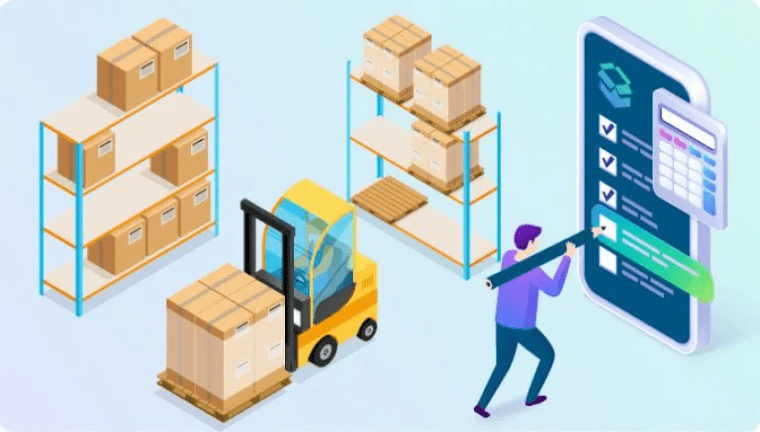
Understanding the Role of Artificial Intelligence in Inventory Management
Before we delve into the future of Artificial Intelligence in inventory management, let’s first understand its current role and capabilities:
1. Demand Forecasting
AI algorithms can analyze historical sales data, market trends, and external factors to forecast future demand with greater accuracy. By predicting demand fluctuations in advance, businesses can optimize inventory levels and reduce the risk of stockouts or overstocking.
2. Dynamic Inventory Optimization
AI-powered systems continuously monitor inventory levels, supplier performance, and customer demand to dynamically optimize inventory levels in real-time. These systems adjust stocking levels, reorder points, and safety stock levels based on changing market conditions and supply chain constraints.
3. Automated Replenishment
AI automates replenishment processes by generating purchase orders, scheduling deliveries, and optimizing inventory allocation based on demand forecasts and inventory levels. By automating routine tasks, businesses can improve efficiency, reduce costs, and ensure timely stock replenishment.
4. Predictive Maintenance
AI can also be used for predictive maintenance of equipment and machinery in warehouses and distribution centers. By analyzing sensor data and equipment performance metrics, AI algorithms can predict equipment failures before they occur, minimizing downtime and improving operational efficiency.
Emerging Trends in AI for Inventory Management
As technology continues to advance, several emerging trends are shaping the future of AI in inventory management:
1. Internet of Things (IoT) Integration
The integration of AI with IoT devices allows businesses to gather real-time data from sensors, RFID tags, and other connected devices throughout the supply chain. This data can be used to track inventory levels, monitor product movement, and identify potential bottlenecks or inefficiencies.
2. Blockchain Technology
Blockchain technology offers a secure and transparent way to track and trace goods throughout the supply chain. By integrating AI with blockchain, businesses can create a decentralized and tamper-proof system for inventory management, reducing the risk of fraud, theft, and counterfeiting.
3. Robotics and Automation
Advancements in robotics and automation are enabling businesses to automate routine tasks such as picking, packing, and sorting in warehouses and distribution centers. By combining AI with robotics, businesses can improve warehouse efficiency, reduce labor costs, and enhance overall productivity.
4. Predictive Analytics
AI-powered predictive analytics tools are becoming increasingly sophisticated, allowing businesses to forecast demand, identify trends, and optimize inventory levels with greater precision. These tools leverage machine learning algorithms to analyze large datasets and provide actionable insights for decision-making.
The Future of AI in Inventory Management: Opportunities and Challenges
Looking ahead, the future of AI in inventory management holds immense potential for businesses seeking to streamline their supply chain operations. However, several challenges must be addressed to fully realize the benefits of AI:
Opportunities:
- Improved Efficiency: AI can automate routine tasks, optimize inventory levels, and reduce the need for manual intervention, leading to greater efficiency and productivity.
- Enhanced Accuracy: AI-powered demand forecasting and inventory optimization algorithms can provide more accurate predictions, reducing the risk of stockouts or overstocking.
- Real-time Insights: AI enables businesses to gather real-time data from various sources and gain actionable insights into supply chain performance, customer demand, and market trends.
Challenges:
- Data Quality and Integration: AI algorithms rely on high-quality data for accurate predictions. Businesses may face challenges in integrating data from disparate sources and ensuring its accuracy and reliability.
- Implementation Costs: Implementing AI-powered inventory management systems may require significant upfront investment in technology, infrastructure, and training.
- Security and Privacy Concerns: With the increasing use of AI and IoT devices in inventory management, businesses must address security and privacy concerns related to data storage, transmission, and access.
Strategies for Adopting AI in Inventory Management
To harness the full potential of AI in inventory management, businesses can adopt the following strategies:
1. Invest in Data Analytics Infrastructure
Ensure that your organization has the necessary infrastructure and tools in place to collect, store, and analyze large volumes of data from various sources.
2. Collaborate with Technology Partners
Partner with technology providers and solution vendors that specialize in AI-powered inventory management systems. Collaborative partnerships can help accelerate the implementation process and ensure successful outcomes.
3. Focus on Talent Development
Invest in training and upskilling your workforce to ensure they have the necessary skills and expertise to work with AI technologies effectively.
4. Start with Pilot Projects
Begin by implementing AI in small-scale pilot projects to demonstrate its feasibility and ROI before scaling up to larger initiatives.
Conclusion
As we look to the future, AI holds tremendous promise for transforming inventory management and revolutionizing the way businesses operate their supply chains. By leveraging AI-powered technologies, businesses can improve efficiency, accuracy, and adaptability in their inventory management processes, ultimately driving greater competitiveness and success in the marketplace. However, realizing the full potential of AI in inventory management will require proactive investment, collaboration, and innovation from businesses across all sectors. With the right strategies and approach, businesses can navigate the challenges and harness the opportunities that AI presents for the future of inventory management.
 Future of AI
Leave a comment