In today’s fast-paced business environment, accurate demand forecasting is critical for organizations aiming to optimize operations, reduce costs, and enhance customer satisfaction. Artificial Intelligence (AI) has emerged as a transformative technology, empowering businesses to harness predictive analytics and machine learning algorithms to forecast demand with unprecedented accuracy. This article explores the essential steps, methodologies, tools, and best practices for developing AI-based demand forecasting solutions.
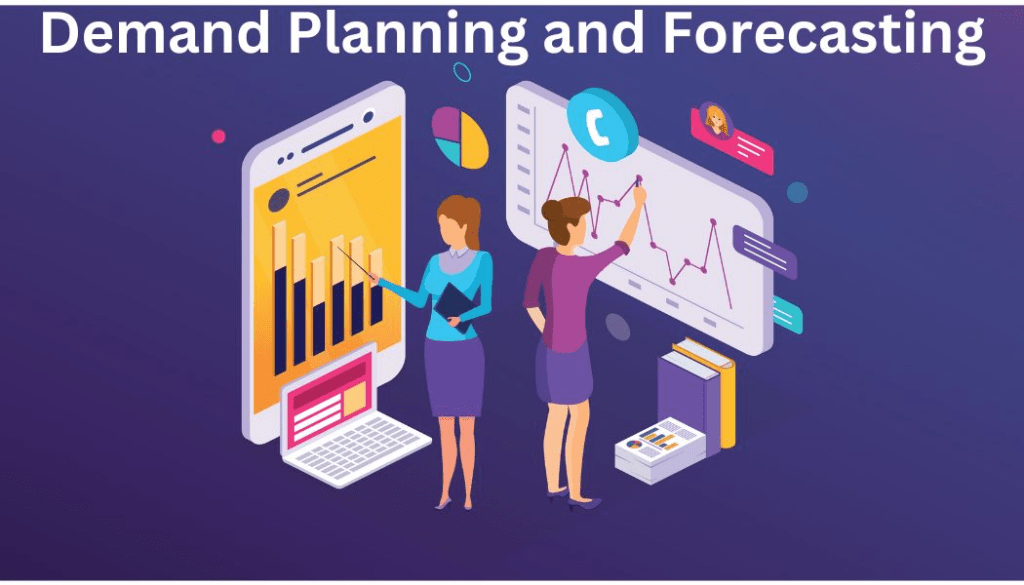
Introduction to AI-Based Demand Forecasting
AI-based demand forecasting leverages advanced algorithms and big data analytics to analyze historical patterns, identify trends, and predict future demand scenarios. By automating data processing and decision-making processes, AI enables organizations to make informed strategic decisions and adapt quickly to market dynamics.
The Role of AI in Modern Demand Forecasting
Traditionally, demand forecasting relied on statistical methods and historical data analysis. AI enhances this process by:
- Machine Learning Algorithms: Utilizing algorithms like neural networks, decision trees, and ensemble methods to learn from data patterns and improve forecast accuracy.
- Big Data Analytics: Processing large volumes of structured and unstructured data from diverse sources such as sales records, customer interactions, and market trends.
Importance of AI-Based Forecasting Development
Developing AI-based demand forecasting capabilities offers several key advantages:
- Enhanced Accuracy: Predicting demand with higher precision to minimize forecasting errors and optimize inventory levels.
- Real-Time Insights: Providing timely analysis of market changes and consumer behavior to enable proactive decision-making.
- Scalability: Handling large datasets and complex calculations efficiently, scaling with business growth and increasing data volumes.
Essential Steps to Develop AI-Based Demand Forecasting
Building AI-based demand forecasting involves a structured approach integrating data science, machine learning, and domain expertise. Below are the essential steps:
1. Define Objectives and Scope
- Business Goals: Align forecasting objectives with strategic business goals such as inventory optimization, cost reduction, or market expansion.
- Scope Definition: Identify the scope of forecasting (e.g., product lines, regions) and define key performance indicators (KPIs) for evaluation.
2. Data Collection and Preparation
- Data Identification: Identify relevant data sources including sales records, customer transactions, market trends, and external factors (e.g., economic indicators).
- Data Quality: Ensure data quality by cleaning, filtering, and validating datasets to remove inconsistencies and errors.
3. Feature Engineering and Selection
- Feature Extraction: Extract meaningful features from raw data that influence demand patterns, such as seasonality, promotions, and customer demographics.
- Feature Selection: Use statistical methods or domain knowledge to select the most relevant features for training AI models.
4. Choose AI Algorithms and Models
- Algorithm Selection: Choose suitable machine learning algorithms such as neural networks, time-series models (e.g., ARIMA, LSTM), or ensemble methods based on data characteristics and forecasting requirements.
- Model Training: Train AI models using historical data, validate performance using cross-validation techniques, and fine-tune parameters for optimal accuracy.
5. Implement Predictive Analytics
- Integration: Integrate AI models into existing IT infrastructure or cloud platforms for seamless data processing and real-time forecasting capabilities.
- Automation: Implement automated workflows for data ingestion, model training, and forecasting to minimize manual intervention and improve efficiency.
6. Validate and Evaluate Models
- Performance Metrics: Evaluate model performance using metrics like Mean Absolute Error (MAE), Mean Squared Error (MSE), or Forecast Bias to assess accuracy and reliability.
- Validation: Validate models using out-of-sample testing and sensitivity analysis to ensure robustness across different scenarios.
7. Deployment and Monitoring
- Deployment Strategy: Deploy AI models into production environments, monitor performance in real-time, and implement mechanisms for model retraining and updates.
- Feedback Loop: Establish a feedback loop to incorporate new data and user feedback, continuously improving forecasting accuracy over time.
Tools and Technologies for AI-Based Forecasting
Implementing AI-based demand forecasting requires leveraging advanced tools and technologies:
- Machine Learning Libraries: Utilize libraries like TensorFlow, PyTorch, or scikit-learn for model development and training.
- Cloud Computing Platforms: Deploy models on scalable cloud platforms (e.g., AWS, Google Cloud) for efficient data storage, processing, and deployment.
- Data Visualization Tools: Use tools like Tableau or Power BI to visualize forecast results and communicate insights to stakeholders.
Challenges and Considerations
Developing AI-based demand forecasting solutions involves addressing several challenges:
1. Data Complexity and Quality
- Data Integration: Integrate diverse data sources and formats to provide a comprehensive view of demand drivers.
- Data Governance: Implement data governance practices to ensure data integrity, security, and compliance with regulatory requirements.
2. Algorithm Selection and Optimization
- Algorithm Bias: Address algorithmic biases that may skew forecasts and lead to inaccurate predictions.
- Model Interpretability: Ensure transparency and interpretability of AI models to build trust and facilitate decision-making.
3. Skill Requirements and Training
- Talent Acquisition: Recruit data scientists, AI engineers, and domain experts with expertise in demand forecasting and machine learning.
- Training Programs: Provide ongoing training and development to upskill employees on AI technologies and methodologies.
4. Ethical and Regulatory Considerations
- Ethical Use: Adhere to ethical AI practices and guidelines to prevent misuse or discrimination based on forecasted outcomes.
- Regulatory Compliance: Comply with data protection regulations (e.g., GDPR, CCPA) and industry standards for handling sensitive data.
Future Trends and Strategic Insights
Looking ahead, the future of AI-based demand forecasting is shaped by emerging trends and innovations:
1. AI-Driven Automation and Optimization
- Autonomous Systems: Integrate AI into decision-making processes for real-time adjustments and proactive planning.
- Continuous Learning: Implement AI models that continuously learn from new data inputs and adapt to changing market conditions.
2. Personalization and Customer Engagement
- Personalized Experiences: Use AI insights to customize product offerings and marketing strategies based on individual customer preferences.
- Enhanced Customer Satisfaction: Improve customer retention and loyalty by delivering personalized experiences and anticipating consumer needs.
3. Collaboration and Knowledge Sharing
- Industry Partnerships: Collaborate with industry peers, academia, and technology providers to advance AI research and innovation.
- Open Innovation: Embrace open-source AI frameworks and platforms to accelerate development and deployment of AI-driven solutions.
Conclusion
Developing AI-based demand forecasting capabilities empowers organizations to gain actionable insights, optimize operations, and achieve sustainable growth in competitive markets. By following a structured approach encompassing data preparation, algorithm selection, model deployment, and continuous monitoring, businesses can unlock the transformative potential of AI to forecast demand with accuracy and agility.
As businesses embark on their AI journey, addressing challenges related to data complexity, algorithmic bias, skill development, and regulatory compliance will be crucial. By fostering a culture of innovation, collaboration, and ethical AI practices, organizations can harness the full potential of AI-based demand forecasting to drive strategic objectives and maintain a competitive edge in the global marketplace.
 Future of AI
Leave a comment