Artificial Intelligence (AI) has revolutionized industries with its ability to automate complex tasks, optimize processes, and enhance decision-making. One of the most advanced AI-driven technologies is Computer-Using Agent (CUA) Models—intelligent agents designed to interact with computational environments autonomously. These models leverage machine learning, natural language processing, and automation to perform high-level cognitive tasks.
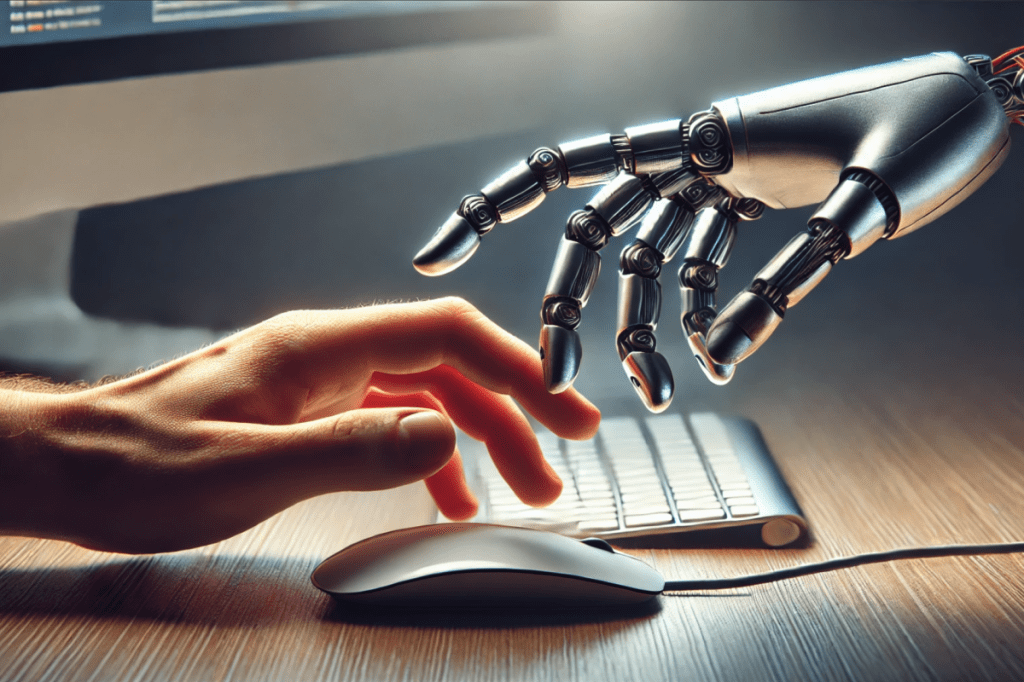
This article provides an exhaustive exploration of how CUA models work, their underlying technologies, applications across industries, and future advancements.
How Do CUA Models Work?
1. Core Components of CUA Models
CUA models function using a combination of advanced AI methodologies, each playing a critical role in their operational efficiency. The key components include:
- Machine Learning Algorithms – CUA models use supervised, unsupervised, and reinforcement learning to make data-driven decisions.
- Natural Language Processing (NLP) – Enables CUAs to process, understand, and generate human language for better interactions.
- Knowledge Representation – Stores structured information, enabling CUAs to reason and make informed decisions.
- Autonomous Decision-Making – Uses AI-driven logic and rules to analyze situations and determine optimal actions.
- Human-Agent Interaction – Allows CUAs to communicate with users and digital systems seamlessly.
2. The CUA Model Workflow
CUA models operate through a systematic workflow that ensures efficiency and accuracy in task execution:
- Data Collection – Gathers information from various sources, including databases, IoT devices, and human inputs.
- Data Preprocessing – Cleans and structures data to ensure accurate AI model training.
- Analysis and Learning – Uses deep learning and pattern recognition to extract insights.
- Decision-Making – Implements AI-driven logic to execute tasks or suggest recommendations.
- Feedback Loop – Continuously learns from new data to enhance accuracy and efficiency.
Applications of CUA Models Across Industries
1. Finance and Banking
CUA models are transforming financial services by enhancing automation, risk assessment, and customer interactions.
- Automated Trading – AI-driven agents analyze market trends and execute trades at optimal moments.
- Fraud Detection – Detects anomalies in financial transactions to prevent fraudulent activities.
- Risk Assessment – Evaluates credit scores and lending risks using AI-powered predictive analysis.
2. Healthcare and Medical Diagnostics
CUA models play a crucial role in improving patient care and streamlining medical operations.
- AI-Powered Diagnosis – Assists doctors by analyzing medical images and identifying diseases.
- Predictive Patient Monitoring – Monitors vital signs to predict potential health issues.
- Personalized Medicine – Suggests treatment plans based on patient history and genetic data.
3. Cybersecurity and Threat Detection
As cyber threats evolve, AI-driven CUAs provide real-time security solutions to safeguard digital infrastructures.
- Intrusion Detection – Monitors networks for suspicious activities.
- Automated Incident Response – Responds to cyberattacks in real-time.
- Threat Intelligence Analysis – Identifies emerging security risks.
4. Supply Chain and Logistics Optimization
CUA models enhance supply chain efficiency by streamlining logistics operations and demand forecasting.
- Real-Time Route Optimization – Determines the most efficient delivery routes.
- Inventory Management – Predicts demand and prevents stock shortages.
- Supply Chain Risk Assessment – Identifies potential disruptions before they impact operations.
5. Retail and E-Commerce
Retailers leverage CUAs to improve customer experience, boost sales, and manage inventory effectively.
- Personalized Recommendations – Suggests products based on user behavior and preferences.
- AI Chatbots for Customer Support – Enhances customer engagement and resolves queries.
- Automated Pricing Strategies – Adjusts prices dynamically based on demand and competitor analysis.
Challenges in Implementing CUA Models
Key Challenges
- Data Privacy Concerns – Handling sensitive information securely.
- High Computational Costs – AI models require extensive processing power.
- Integration with Legacy Systems – Compatibility issues with older infrastructures.
Possible Solutions
- Edge Computing – Reduces reliance on cloud resources.
- Federated Learning – Enhances AI training while preserving privacy.
- Hybrid AI Models – Combines traditional and AI-driven approaches.
Future of CUA Models
1. Explainable AI (XAI)
As AI becomes more integral to industries, Explainable AI (XAI) will help interpret and clarify how CUA models make decisions, improving transparency and trust.
2. Integration with Quantum Computing
Quantum computing has the potential to exponentially accelerate CUA model processing capabilities, allowing them to solve complex problems in real-time.
3. AI Agents with Self-Learning Capabilities
Future CUAs will incorporate self-learning and autonomous adaptation, eliminating the need for frequent human intervention and retraining.
4. Human-CUA Collaboration
The evolution of AI will lead to seamless collaboration between CUAs and human workers, enhancing productivity and efficiency across sectors.
Conclusion
Computer-Using Agent (CUA) Models are at the forefront of AI innovation, driving automation, efficiency, and decision-making across industries. Their ability to process data, make autonomous decisions, and interact with digital environments makes them invaluable assets in the AI-driven economy.
As AI technology advances, the role of CUAs will continue to expand, bringing more sophisticated and impactful automation solutions. Businesses that adopt and refine these models will gain a competitive edge in an increasingly AI-powered world.
 Future of AI
Leave a comment